

Inflation is a term that often makes the headlines, but its real impact is felt in the daily decisions we make when spending money. Whether you’re buying groceries, filling up your car, or paying bills, inflation affects nearly every aspect of your financial life. Here, we’ll explore how inflation influences daily spending habits and what you can do to adjust your budget accordingly.
Understanding Inflation and Its Impact
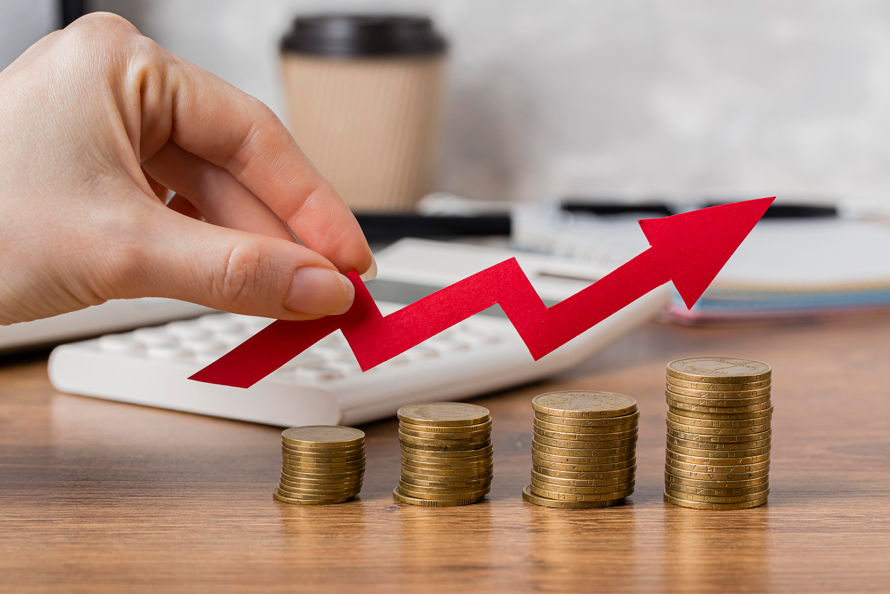 Inflation, in simple terms, is the gradual rise in the cost of everyday goods and services. As prices climb, the value of your money stretches less than before. A grocery run that once fit your budget may now leave your wallet lighter because food costs have gone up. This steady increase pushes many people to rethink their financial choices, often shifting how and where they spend their income. One of the most noticeable effects of inflation is the rising cost of living. As wages don’t always keep pace with inflation, people may feel stretched, having to spend more on basic needs.
Impact on Daily Purchases
Inflation hits daily expenses first. Items like gas, food, and household goods tend to see the biggest price hikes. You might notice that a loaf of bread or a tank of gas costs a bit more than it did a few weeks ago. Small increases add up over time, forcing consumers to rethink how much they’re spending on these everyday items. For many, this means cutting back on non-essential purchases or opting for lower-cost alternatives. For instance, instead of purchasing premium brands, consumers may choose store brands or generic products that are more affordable. This shift can help stretch a budget, but it also means consumers are becoming more conscious of every dollar spent.
Changing Spending Habits
 As inflation affects everyday prices, many people start adjusting their lifestyles to cope with the financial pressure. Some might limit dining out, cancel subscription services, or reduce discretionary spending in areas like entertainment or travel. For others, it may mean rethinking major purchases, such as delaying buying a new car or postponing home renovations. This shift in behavior is common during periods of inflation, as people become more cautious and try to avoid financial strain. While these changes may seem necessary, they can also lead to reduced economic activity, which in turn can slow down growth in some sectors.
Strategies to Adapt to Inflation
While inflation can be challenging, there are practical steps you can take to protect your finances and mitigate the effects it has on your spending. One of the most effective strategies is to create a budget and stick to it. Tracking your expenses helps you identify areas where you can cut back and prevent overspending. It’s also important to review your budget regularly to account for rising costs. Another useful strategy is to focus on increasing your income. If possible, consider exploring side hustles, taking on freelance work, or asking for a raise. Additional income can help offset the rising costs of living, making it easier to manage your expenses.
Lastly, it’s important to think long-term. If inflation is driving up the cost of goods, you may want to consider buying in bulk for non-perishable items. Bulk purchasing can help reduce the impact of price hikes, as you’re locking in a lower price for products you know you’ll need over time.…




 It’s time to step up your shoe game with Crocs and their viral TikTok challenges! One of the most notable challenges from Crocs is the #thousanddollarcrocs challenge. This challenge encourages users to get creative and bedazzle a pair of plain white Crocs into something extraordinary. But that’s not all – Crocs didn’t stop there! They also launched the #croctok challenge to further engage with their audience.
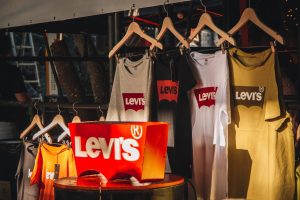 Levi’s continues to stay relevant by embracing the power of social media and engaging with their audience in unique ways. One such way is through the #liveinlevis challenge on TikTok. This challenge encourages users to showcase how they incorporate Levi’s jeans into their everyday lives – whether it’s dressing them up for a night out or rocking them with a casual tee for a laid-back look. Anyone can participate by simply creating a video that highlights how they live their best life in Levi’s.
 Hot deep galvanized steel is among home improvement projects’ most sustainable building materials. Unlike other materials, it does not decay over time due to weather or environmental factors such as oxidation, rusting, and corrosion. This makes it an ideal choice for long-lasting performance in various conditions. In addition, hot deep galvanized steel does not require additional treatments to maintain its shape, meaning it is much more cost-effective than other materials in the long run.
 Finally, hot deep galvanized steel has a unique and stylish aesthetic that can bring any home improvement project to life. Its sleek silver color gives it a modern yet timeless look, making it an attractive choice for indoor and outdoor projects. Plus, its smooth surface is easy to clean and maintain, which helps keep your project looking its best for years to come. In conclusion, hot deep galvanized steel is an excellent choice for any home improvement project.